
🚀 Tandem is now serving childcare programs and teachers across Kentucky.
Learn More →
Learn More →
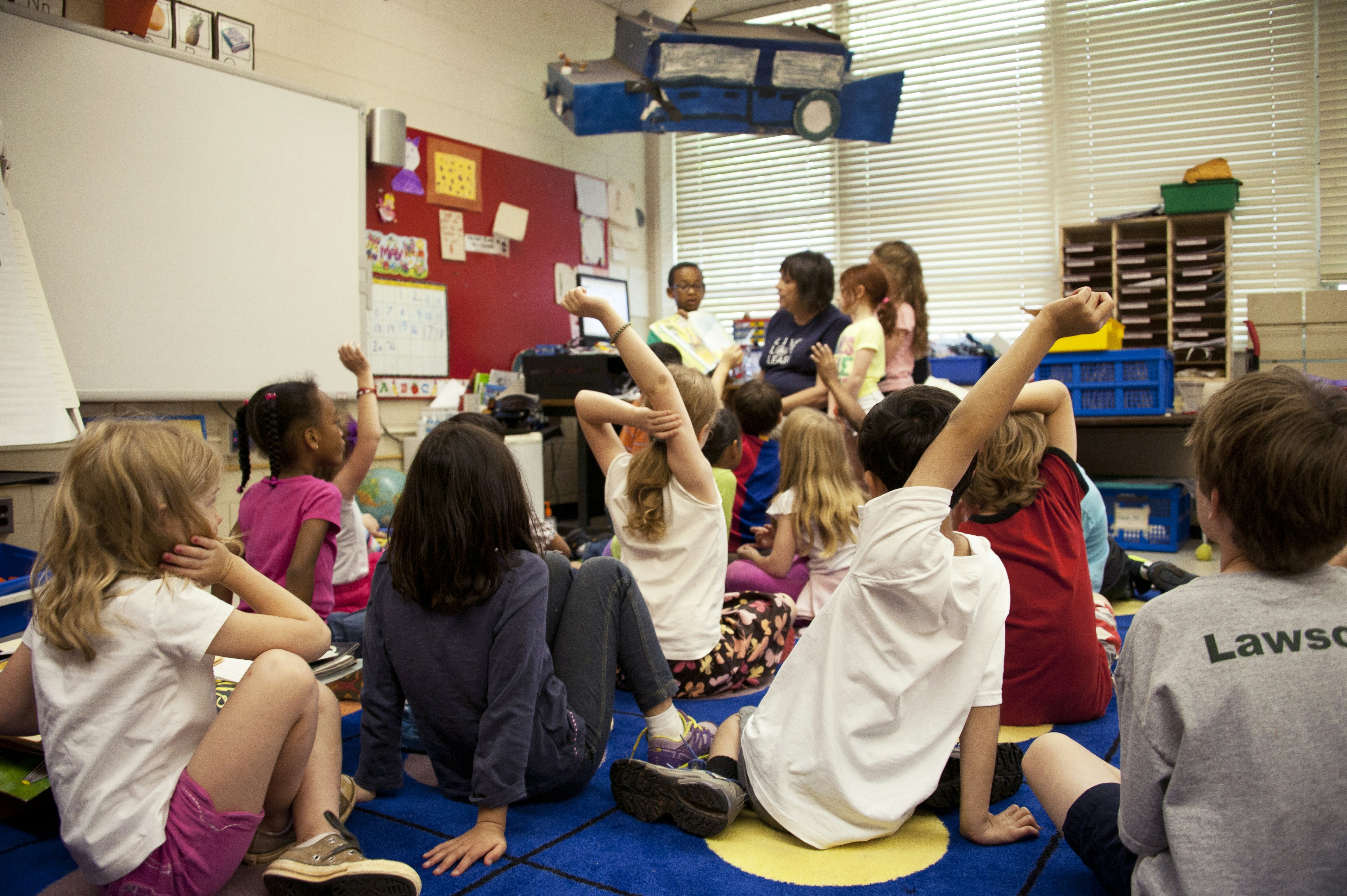
A Florida director picks up the phone to call a parent.
Their child isn't sick. The center just doesn't have the staff to open the room today.
That call is happening across the state right now.
A recent South Florida Sun Sentinel feature looked at the preschool teacher shortage across Central Florida, and the picture it paints will be familiar to anyone running a center.
Roughly 38% of Florida preschools are operating under capacity, according to a national survey cited in the piece. Not because demand dropped. Because they cannot keep enough teachers in enough classrooms.
One Orlando center profiled in the story is licensed for 28 children but enrolls only 23, simply because it can't staff for more. A coalition leader quoted in the article described centers calling families during flu season to say there isn't enough manpower to take their child that day.
The shortage is hard to fix because the math is unforgiving.
Preschools run on thin margins, which keeps wages low, which makes it tough to attract and keep teachers. When a teacher leaves or calls out, a center is often one body short of legal ratio. And a room over ratio doesn't open.
We've written before about how that math plays out day to day in The Ratio Problem Nobody Talks About.
The directors in the article are doing everything the playbook says. Raising pay. Adding retention bonuses at 90 days. Offering four-day weeks to fight burnout. And still, the most senior teacher at one of the schools has been there less than a year.
This is where substitutes come in. Not as a replacement for permanent teachers, but as a way to keep a classroom open on the morning someone is out.
The Sun Sentinel piece highlighted how some Central Florida centers are using Tandem to fill those gaps. Around 1,000 educators and 500 schools in the region are now on the platform, posting and picking up shifts so a sick day doesn't turn into a closed room. Substitutes get paid within a day, and centers get coverage they couldn't always find on their own.
It's a bridge. And on a short-staffed Tuesday, a bridge is exactly what a director needs.
What stood out most in the article wasn't the technology. It was the support behind it.
As of June 1, the Early Learning Coalition of Orange County is covering the cost of Tandem shifts for Orange County preschools. That means a provider can keep a classroom open without absorbing the added expense of bringing in a sub.
That's a meaningful move. It treats coverage as part of the early learning infrastructure a community invests in, not a cost individual centers have to shoulder alone. We wrote more about that partnership in Tandem and ELC of Orange County Launch Workforce Partnership for Central Florida Providers.
The article didn't shy away from the tension, and neither will we.
Some directors worry that easy access to substitute work could pull teachers away from full-time roles, or make consistency harder in the classroom. Those concerns are real. Young children do best with familiar, steady adults, and a rotating cast of new faces can be hard on a toddler who is still learning what to expect.
Our founder said as much in the piece. Substitutes shouldn't be the only thing holding a program together long-term. The deeper fix is recruiting and retaining permanent teachers, and paying them what the work is actually worth.
Both things are true at once. Keep the room open today. Build the workforce that makes subs the exception tomorrow. We dig into what that longer-term stability looks like in Looking Ahead: What Workforce Stability Can Look Like in Child Care.
The shortage is real, and it isn't going away on its own.
But a closed classroom doesn't have to be the default response to it.
Keep the door open. Then keep working on what's behind it.
Join the child care centers that trust Tandem to keep their classrooms fully staffed, every day.